

ലണ്ടനിൽ എ ഹണ്ട്രഡ് സ്ട്രിംഗ്സ്: മീട്ടുന്ന തന്ത്രി, അടിക്കുന്ന തന്ത്രി
- #ലണ്ടൻ
- #നേരിട്ട്
- നവം 22, 2026
- ഞായർ
- 5:00 ഉച്ചയ്ക്ക് ശേഷം
- 2 മണിക്കൂര്, 30 മിനിറ്റ്
- St Saviour's, Pimlico
- ലണ്ടൻ, യുണൈറ്റഡ് കിംഗ്ഡം
നിങ്ങളുടെ ടിക്കറ്റുകൾ നേടൂ

Promo reels
ഇവന്റ് സംഗ്രഹം
അവതരിപ്പിക്കുന്ന കലാകാരന്മാർ
ഇവന്റ് ഹൈലൈറ്റുകൾ
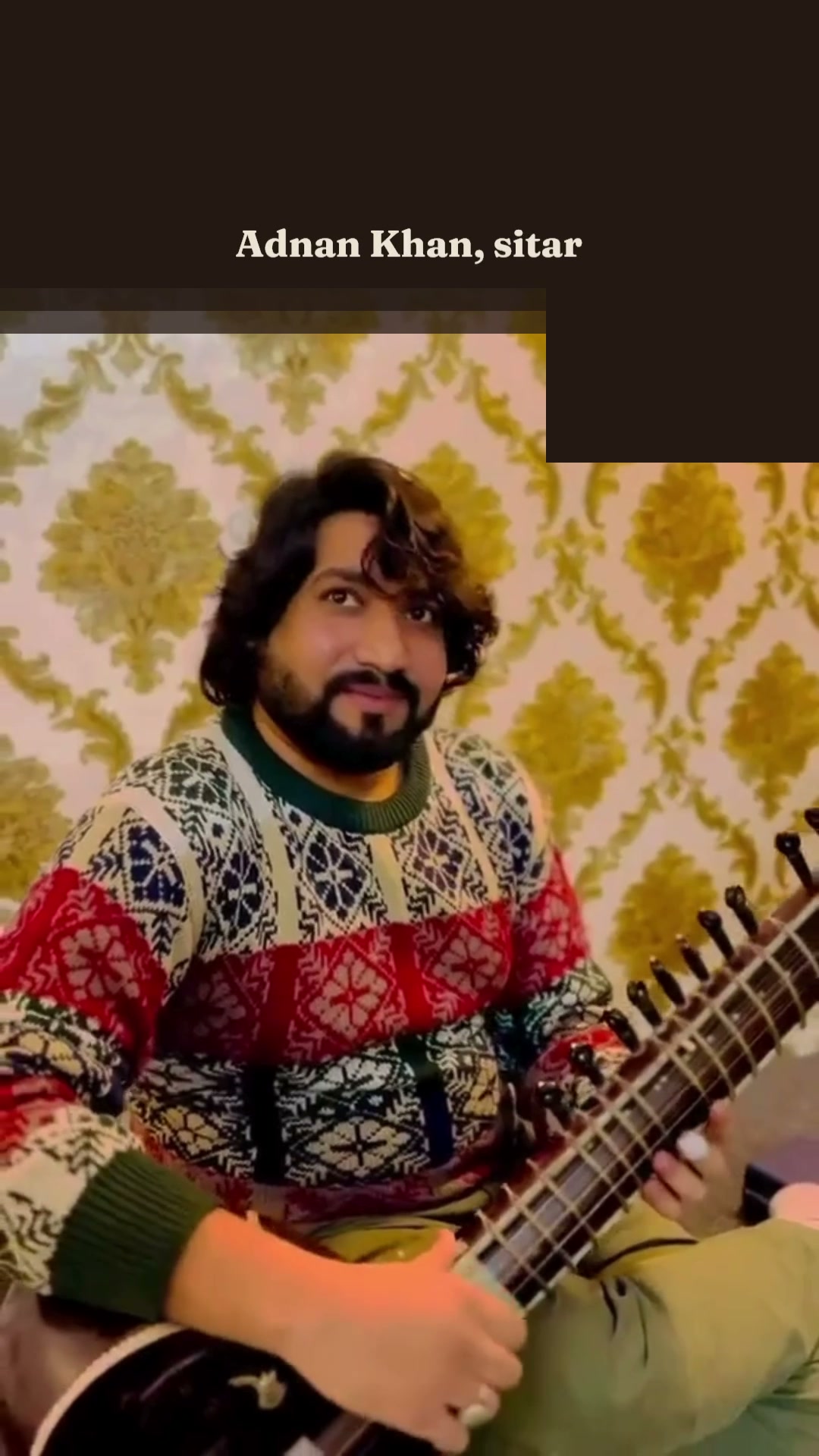
സിതാർ: മീട്ടുന്ന തന്ത്രി
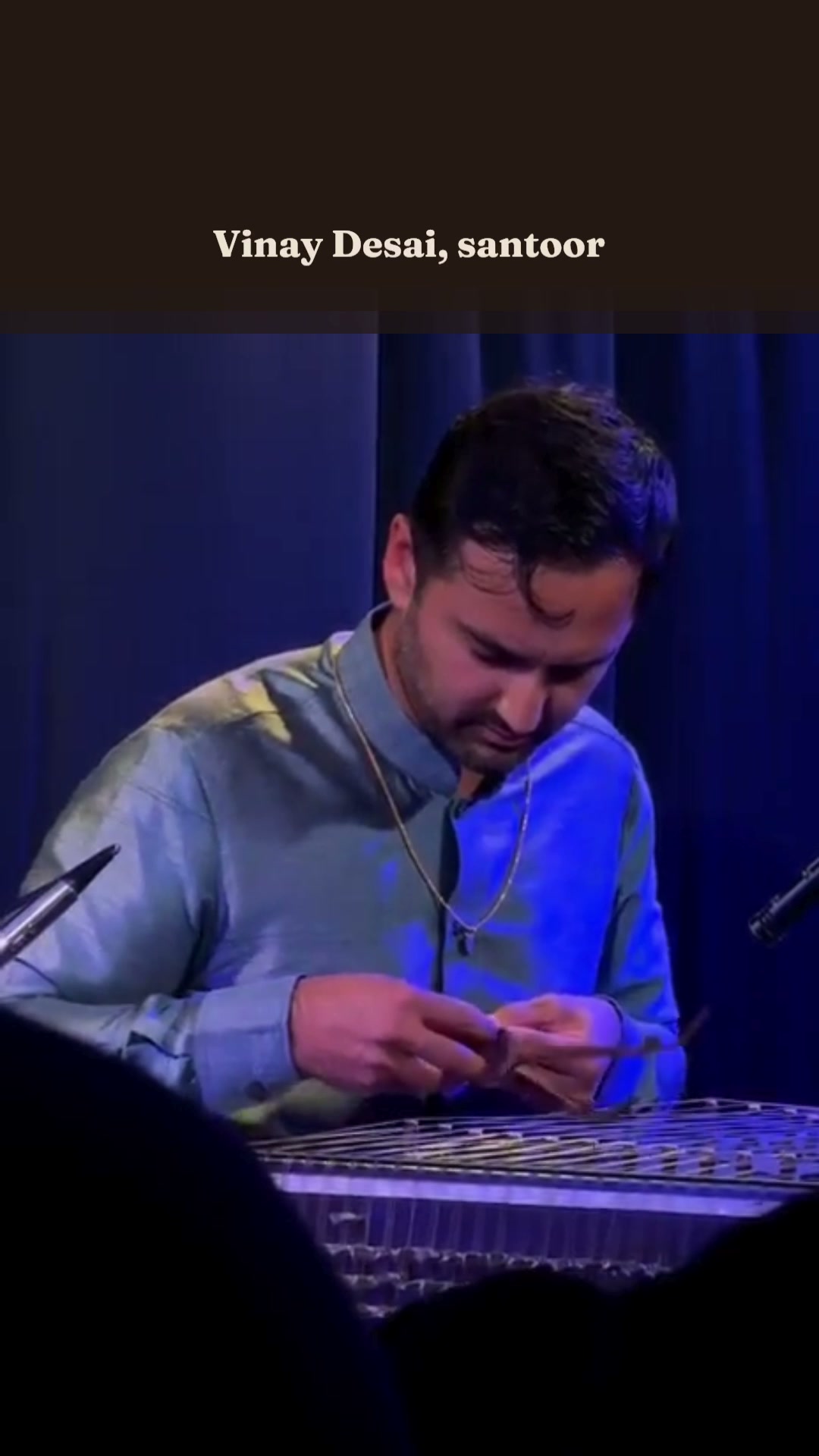
സന്തൂർ: അടിക്കുന്ന തന്ത്രി
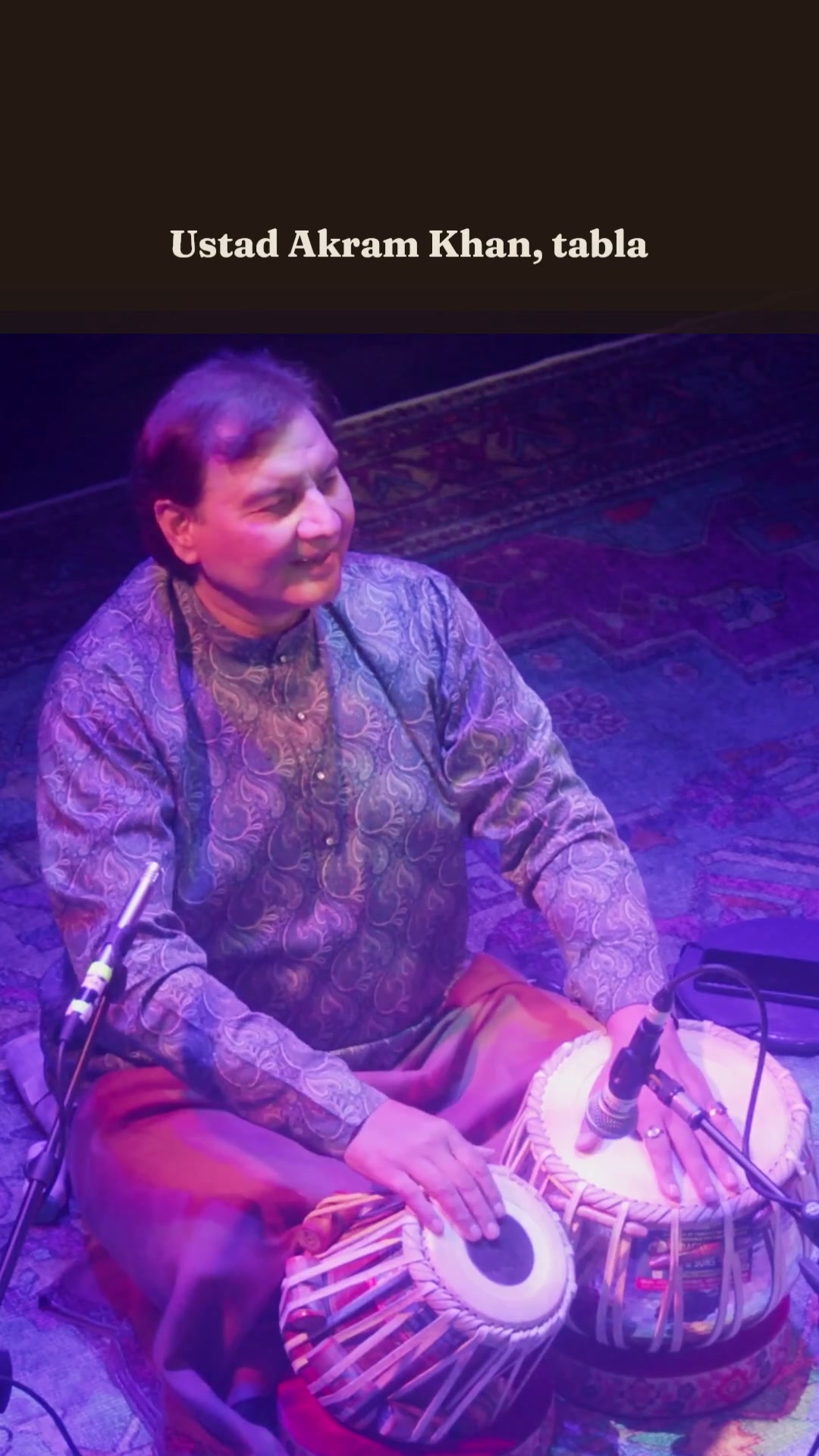
അജ്രാഡ ഘരാനയുടെ തബല
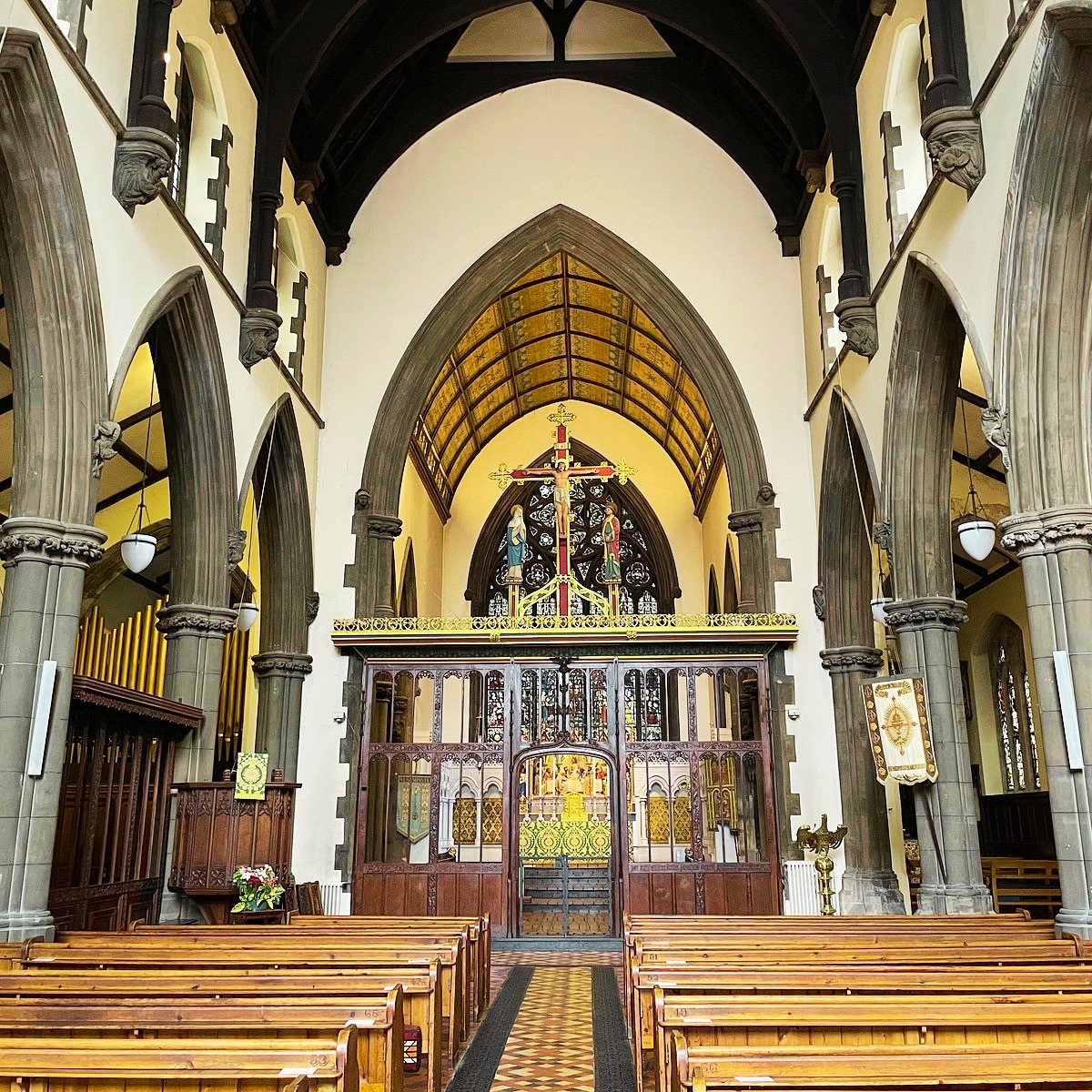
പിംലിക്കോയിലെ ഒരു വിക്ടോറിയൻ പള്ളി
-
London Ragas Fusion: Flute, Piano, Tabla & Ghatam in Dialogue
-
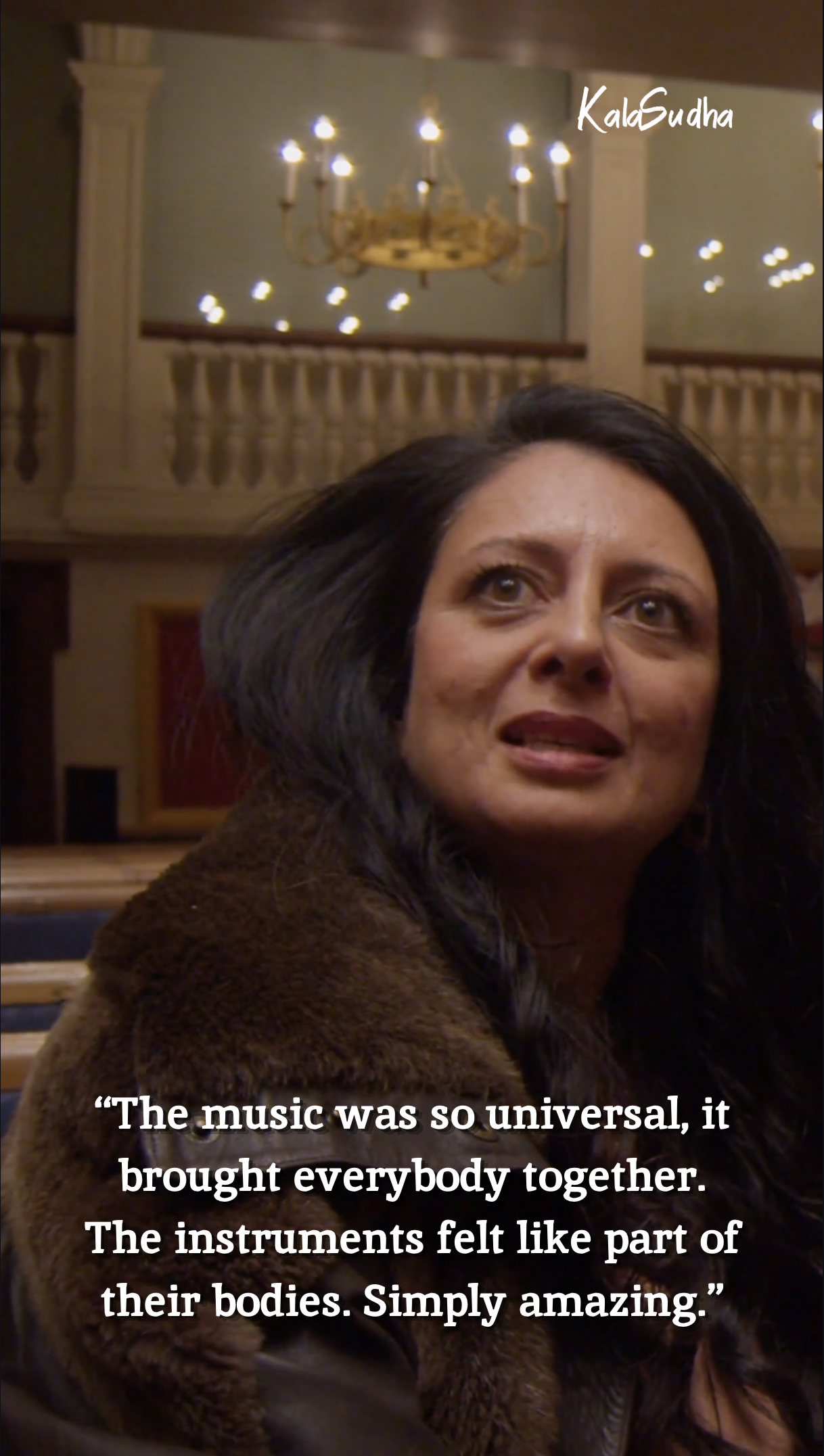
London Ragas Fusion: Flute, Piano, Tabla & Ghatam in Dialogue
-
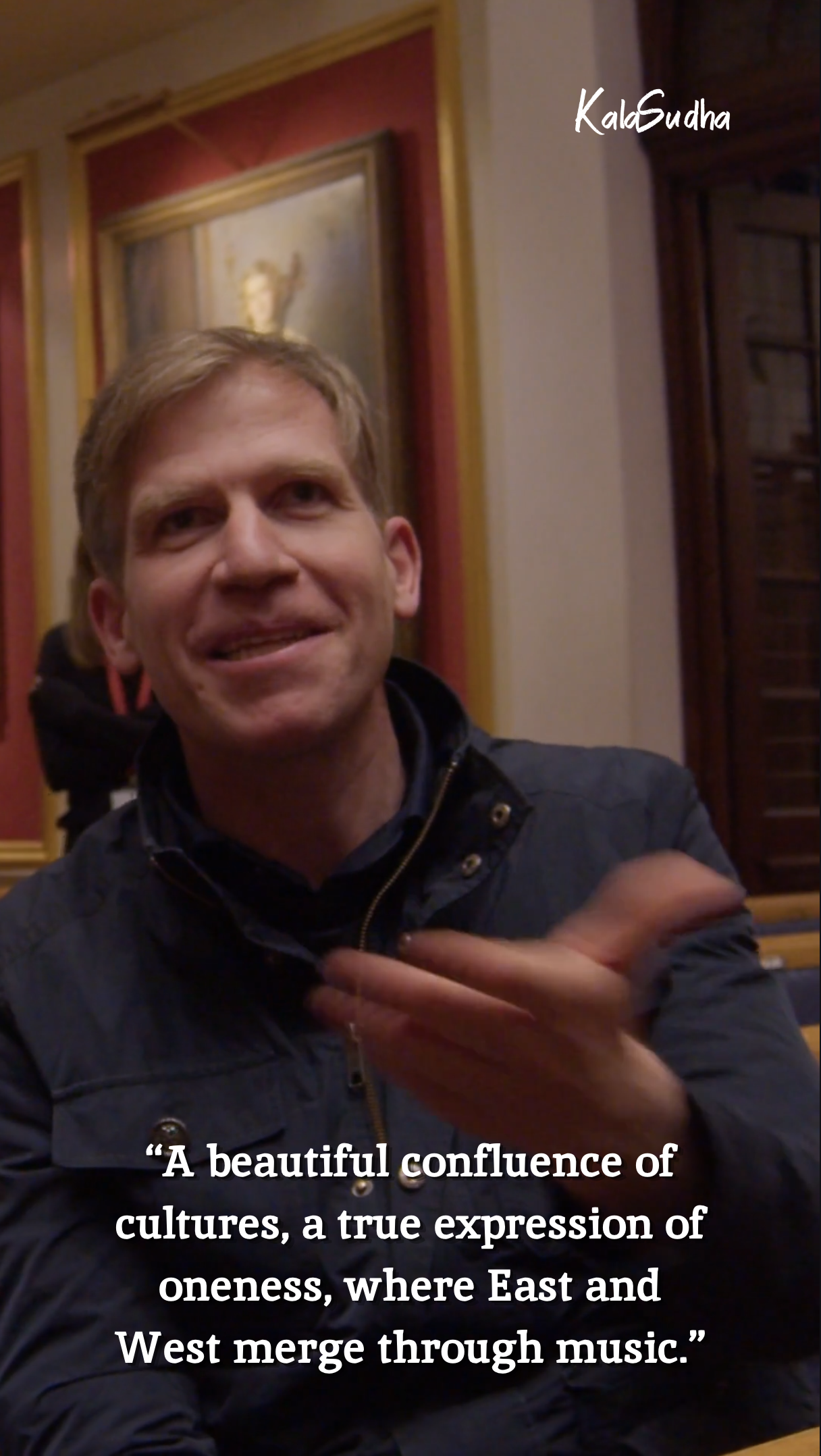
London Ragas Fusion: Flute, Piano, Tabla & Ghatam in Dialogue
-
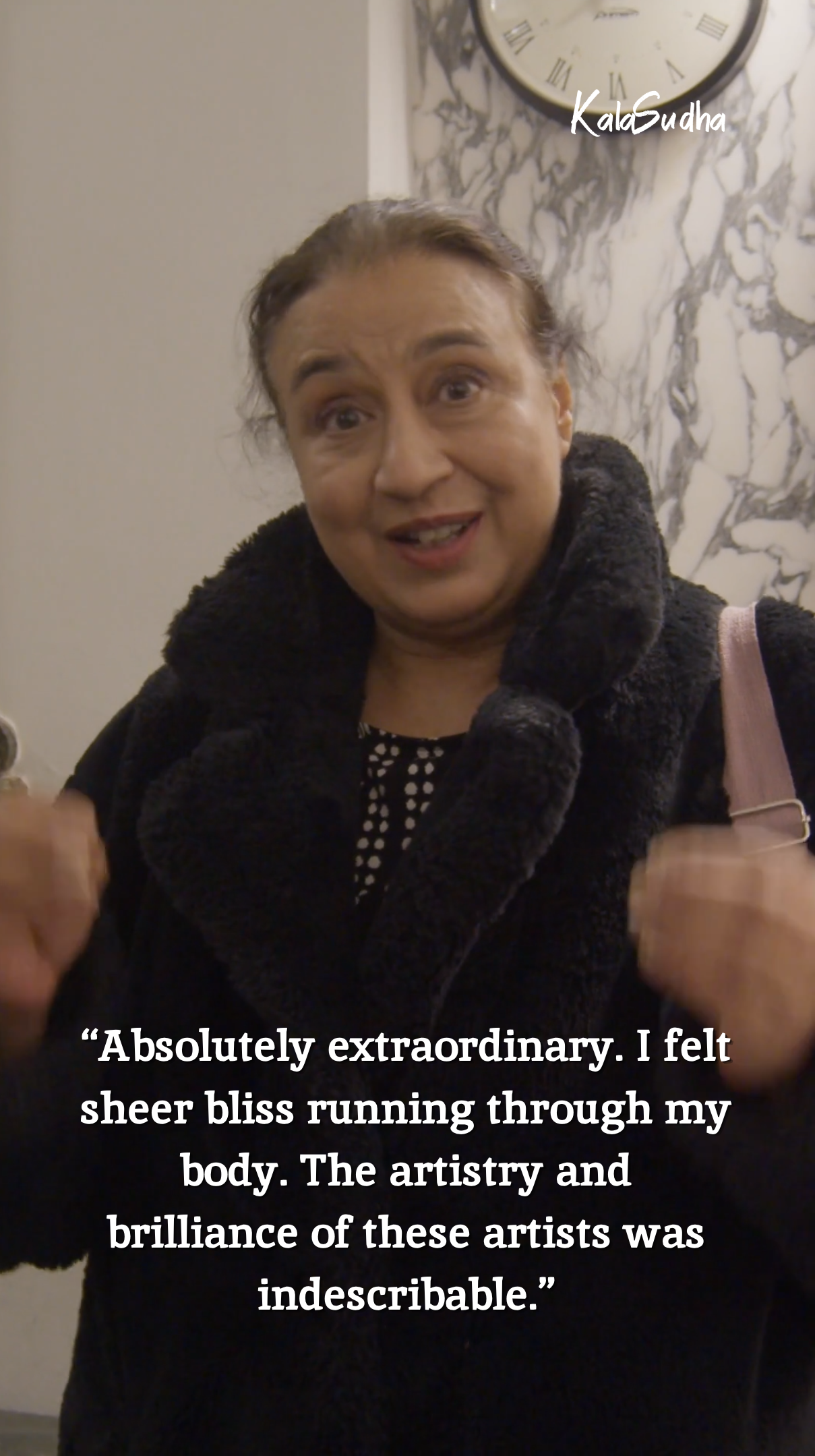
London Ragas Fusion: Flute, Piano, Tabla & Ghatam in Dialogue
-
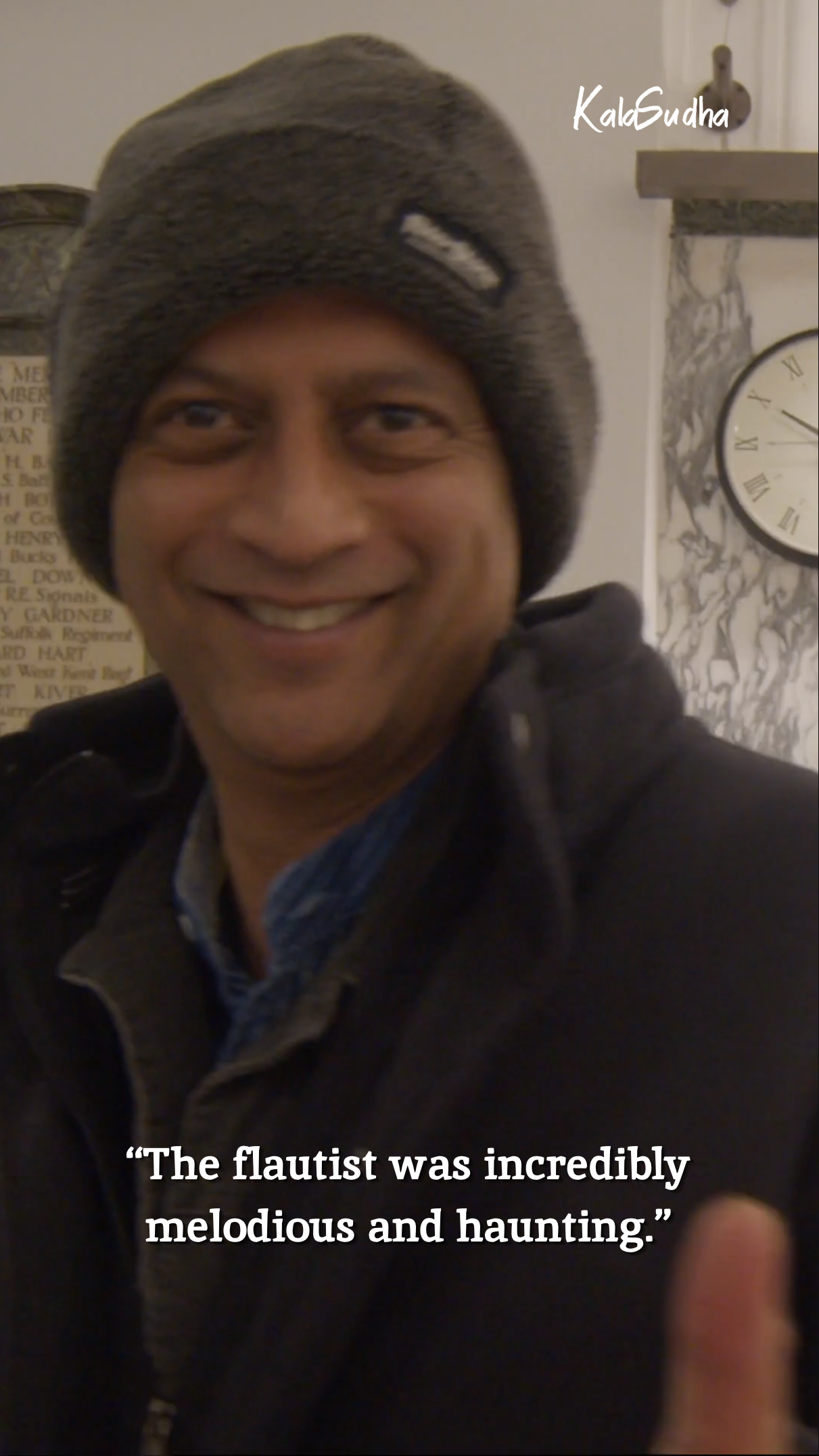
London Ragas Fusion: Flute, Piano, Tabla & Ghatam in Dialogue
അവതരിപ്പിക്കുന്ന കലാകാരന്മാർ
-
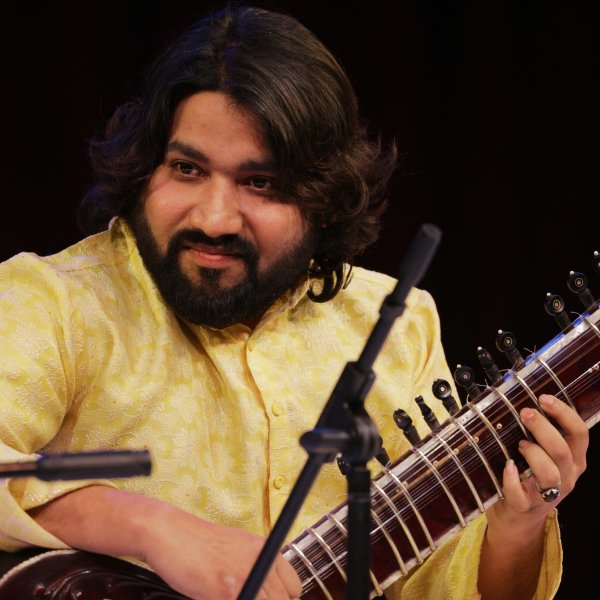 അദ്നാൻ ഖാൻ
-
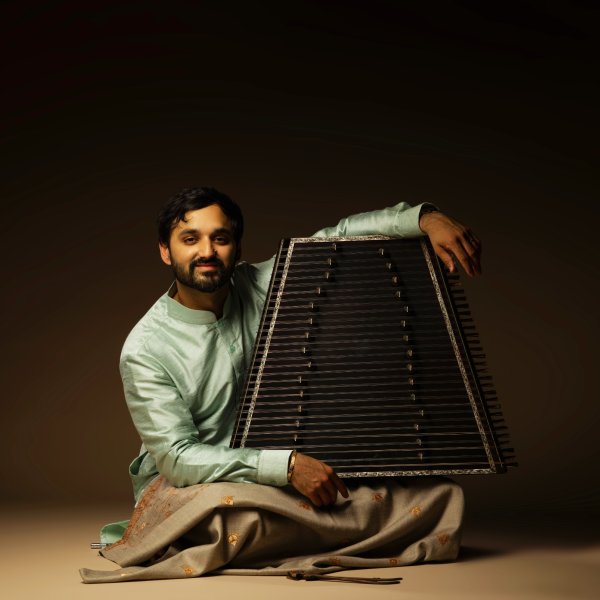 വിനയ് ദേശായി
-
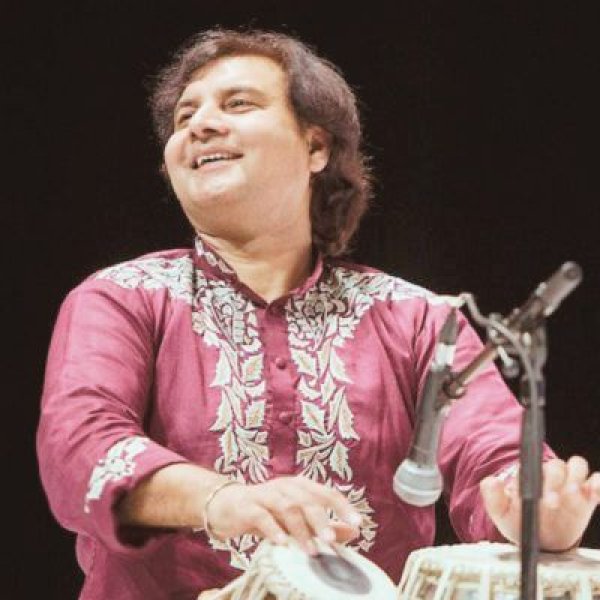 അക്രം ഖാൻ


ഇവന്റ് വിശദാംശങ്ങൾ
നവംബർ 22-ന് എ ഹണ്ട്രഡ് സ്ട്രിംഗ്സ് ലണ്ടനിലെത്തുന്നു; പിംലിക്കോയിലെ സെന്റ് ജോർജ്സ് സ്ക്വയറിലുള്ള സെന്റ് സേവിയേഴ്സിൽ. അദ്നാൻ ഖാൻ സിതാറിന്റെ തന്ത്രികൾ മീട്ടുന്നു, വിനയ് ദേശായി സന്തൂറിന്റെ തന്ത്രികളിൽ അടിക്കുന്നു.
അദ്നാൻ ഖാൻ ഗ്രാമി നാമനിർദേശം ലഭിച്ച സിതാർ വാദകനാണ്. പാടുന്ന ശബ്ദത്തിന്റെ മാതൃകയിൽ വാദ്യത്തെ രൂപപ്പെടുത്തുന്ന ഗായകി അംഗ് ശൈലിയിലാണ് അദ്ദേഹം വായിക്കുന്നത്. ഒരു ഗായകനെപ്പോലെ അദ്ദേഹം ഒരു സ്വരത്തിൽ നിന്ന് അടുത്തതിലേക്ക് തെന്നിനീങ്ങുന്നു, ഒരു സംഗീതവാക്യം നിലനിർത്തി മീണ്ഡിലൂടെ അതിനെ വളയ്ക്കുന്നു. ആദ്യപാഠങ്ങൾ അദ്ദേഹം മുത്തച്ഛനായ പരേതനായ ഉസ്താദ് സഫർ അഹമ്മദ് ഖാനിൽ നിന്ന് പഠിച്ചു; ഇപ്പോൾ പിതാവും സിതാർ വാദകനുമായ ഉസ്താദ് സയീദ് ഖാന്റെ കീഴിൽ പരിശീലനം തുടരുന്നു.
വിനയ് ദേശായി കശ്മീരിന്റെ നൂറു തന്ത്രികളുള്ള വാദ്യമായ സന്തൂർ വായിക്കുന്നു; തടിയിൽ തീർത്ത രണ്ട് ഭാരം കുറഞ്ഞ കോലുകൾ കൊണ്ടാണ് അദ്ദേഹം അതിന്റെ തന്ത്രികളിൽ അടിക്കുന്നത്. സന്തൂറിൽ അദ്ദേഹത്തിന് ഒരു സ്വരത്തിൽ നിന്ന് അടുത്തതിലേക്ക് തെന്നിനീങ്ങാനാവില്ല; അതിനാൽ വേഗമേറിയ സ്വരക്കൂട്ടങ്ങളിലൂടെയും ആവർത്തിക്കുന്ന അടികളിലൂടെയും അദ്ദേഹം സംഗീതവാക്യങ്ങൾ മെനയുന്നു, കൈ മുന്നോട്ട് നീങ്ങിയ ശേഷവും ഓരോ സ്വരവും മുഴങ്ങിക്കൊണ്ടിരിക്കും. പദ്മവിഭൂഷൺ പണ്ഡിറ്റ് ശിവകുമാർ ശർമയുടെ നേരിട്ടുള്ള ശിഷ്യനാണ് അദ്ദേഹം; കശ്മീരിലെ സൂഫിയാന പാരമ്പര്യത്തിൽ നിന്ന് ഈ വാദ്യത്തെ ശാസ്ത്രീയ സംഗീതക്കച്ചേരിയുടെ വേദിയിലെത്തിച്ചത് ശിവകുമാർ ശർമയാണ്.
ഉസ്താദ് അക്രം ഖാൻ ഇരുവർക്കും തബല വായിക്കുന്നു. അജ്രാഡ ഘരാനയിൽ അദ്ദേഹം കുടുംബത്തിലെ ഏഴാം തലമുറക്കാരനാണ്. ആദ്യം മുതുമുത്തച്ഛനായ ഉസ്താദ് മുഹമ്മദ് ഷഫി ഖാനിൽ നിന്നും പിന്നീട് ഉസ്താദ് നിയാസു ഖാനിൽ നിന്നും പഠിച്ച അദ്ദേഹം ഇന്ന് ഘരാനയുടെ പതിനഞ്ചിലധികം പരമ്പരാഗത കായ്ദകൾ പഠിപ്പിക്കുന്നു.
ഇതേ മൂന്ന് കലാകാരന്മാർ തലേന്ന് വൈകുന്നേരം, ശനിയാഴ്ച നവംബർ 21-ന്, ബോൺമൗത്തിലെ പാലസ് കോർട്ട് തിയേറ്ററിൽ കടൽത്തീരത്തെ രാഗങ്ങൾ പരിപാടിയിൽ വായിക്കുന്നു.
സെന്റ് സേവിയേഴ്സ് പ്രവേശനക്ഷമത സംബന്ധിച്ച വിവരങ്ങൾ ഇതുവരെ പ്രസിദ്ധീകരിച്ചിട്ടില്ല. പ്രവേശനക്ഷമത സംബന്ധിച്ച ആവശ്യങ്ങൾക്ക് ഞങ്ങളെ ബന്ധപ്പെടുക.
വൈകുന്നേരം 4:45-ന് പ്രവേശനം ആരംഭിക്കും. സംഗീതം വൈകുന്നേരം 5:00-ന് തുടങ്ങും.
പ്രേക്ഷകർക്കുള്ള നിയമങ്ങൾ:
- ഞങ്ങളുടെ അനുമതിയില്ലാതെ വീഡിയോ എടുക്കുകയോ ഫോട്ടോ എടുക്കുകയോ ചെയ്യരുത്.
- പരിപാടി മുഴുവൻ ഫോൺ മാറ്റിവയ്ക്കുക; സന്ദേശം അയയ്ക്കാൻ പോലും എടുക്കരുത്.
Venue information
പതിവായി ചോദിക്കുന്ന ചോദ്യങ്ങൾ
What is KalaSudha's A Hundred Strings tour, who plays on it and where does it go?
A Hundred Strings is KalaSudha's tour of sitar, santoor and tabla. The name comes from the santoor, the hundred-stringed instrument of Kashmir.
The tour brings the sitar player Adnan Khan and the santoor player Vinay Desai together with the tabla player Ustad Akram Khan. In Manchester, Ustad Shahbaz Hussain also plays tabla. The sitar is plucked and slides between notes; the santoor is struck and cannot slide, so it moves in runs.
The tour plays Oxford, Manchester, Bournemouth and London.
How do I get to St Saviour's church in Pimlico, London, by Underground, bus, bike or car?
St Saviour's, Pimlico is on St George's Square, Pimlico, London SW1V 3QW. Pimlico on the Victoria line is the closest Underground station, and Victoria is under a ten-minute walk.
Buses 24, 360 and C10 stop outside the church, and routes 2, 36 and 185 run along Vauxhall Bridge Road. Cycle hire stands are outside the church, and Pimlico station has racks.
By car, there is street parking around St George's Square. Westminster controlled parking zones apply, so check the signs on the day for evening restrictions and charges. For step-free access, contact the parish office on 020 7834 9520 or [email protected] before you book.
Is St Saviour's church in Pimlico accessible, and who do I contact about step-free access, a wheelchair space or help with seating?
St Saviour's, Pimlico has not published its access details. If you need step-free access, a wheelchair space or help with seating, contact the parish office on 020 7834 9520 or [email protected] before you book. KalaSudha will then confirm arrangements for the evening.
For access at any KalaSudha concert, see who to talk to about access needs.
Where can I hear live Indian classical music in London, and which venues does KalaSudha use?
You can hear Hindustani (North Indian) classical music live in London at London Ragas, KalaSudha's concert series in London. Its evenings are baithaks: the audience sits close to the musicians. London Ragas can take place at different venues across London, and KalaSudha plans to add more baithaks in other parts of London. KalaSudha is based in London, so every concert tour it organises also plays London once.
See how to book tickets for a London concert and how to get to the venues.
Who is the sitar player Adnan Khan, who taught him, and what is distinctive about his playing?
Adnan Khan is a Grammy-nominated sitar player from Delhi who works in the gayaki ang, the approach that shapes the instrument after the singing voice. He took his first lessons from his maternal grandfather, Zafar Ahmed Khan, and trains with his father, the sitar player Saeed Khan. His uncle, the khayal singer Mashkoor Ali Khan, taught him the gayaki ang at the ITC Sangeet Research Academy in Kolkata. Melody leads in his playing, and a raga's notes keep their shape through his fastest runs.
Between 2009 and 2013 Adnan Khan was a senior A-grade scholar under Mashkoor Ali Khan at the ITC Sangeet Research Academy in Kolkata.
Who is the santoor player Vinay Desai, who taught him, and how does he play?
Vinay Desai plays the santoor, the hundred-stringed instrument of Kashmir, struck with two light curved mallets. He studied with Shivkumar Sharma, who received the Padma Vibhushan, through Sharma's final years. A struck string cannot bend, so his expression comes from where the strokes fall and how they are spaced. His concerts open slow, with no beat at all, until the raga has a shape. Then the tabla comes in, and the close is fast.
How do the sitar and the santoor differ in how they are built, how they are played and how they sound?
The sitar is plucked and slides between notes. The santoor is struck and cannot slide, so it moves in runs and repeated strokes.
The sitar is a long-necked lute with a gourd body, movable curved frets and sympathetic strings beneath the playing strings. The santoor is the hundred-stringed instrument of Kashmir: a flat wooden box strung with metal strings, struck with a pair of light wooden mallets.
On the sitar you hear a phrase held and bent, the way a singer does. On the santoor each note rings on after the hand has moved. See what is a sitar and what is a santoor.
What is the Ajrara (Ajrada) gharana of tabla, where did it begin, and what is it known for?
The Ajrara gharana, also spelt Ajrada, is a school of tabla that arose in the late 18th or early 19th century in the village of Ajrara, in Meerut district. Most accounts trace it to two brothers, Kallu Khan and Miru Khan, who learnt in Delhi, making it an offshoot of the Delhi gharana. Its players add the ring finger to the Delhi technique. It is best known for qaidas, themes with set variations, in aad laya, three strokes to every two beats. Ustad Akram Khan plays in the gharana today.
How do I get my ticket?
When you book on kalasudha.com, your KalaSudha confirmation email carries your ticket. Show it on your phone at the door, or bring a printout if you prefer paper.
If the email has not arrived, check your spam folder first. If it is still missing, write to [email protected] and we will send your ticket again.
Can no longer come? See refunds. Event moved or cancelled? See cancellations and date changes. Planning the night? See when to arrive.
When should I arrive?
Arrive at the door time shown on the KalaSudha event page. Doors open before the music starts, so you can find a seat and settle before the first note. All times are UK local time.
When the programme opens with a raga, the first section is the alap, the slow, free-tempo opening of the raga. Arriving after the start time means walking in during it.
For seating, see Is seating allocated? If this is your first Indian classical concert, read what to expect as a newcomer.
Have more questions? Contact our support team and we'll be happy to help!