
Piano
पियानो
"Finding Raga Within Western Keys"
The Piano in Hindustani classical music presents unique challenges due to its fixed tuning, but pioneering artists like Utsav Lal have developed techniques that capture raga essence through the instrument's harmonic richness.
Quick Facts
Overview
The Piano presents unique challenges and possibilities for Hindustani classical music. As a fixed-pitch, equal-tempered instrument, the piano cannot produce the microtonal inflections (shrutis) and continuous glides (meend) fundamental to raga grammar. Yet pioneering artists like Utsav Lal, known as "The Raga Pianist," have developed approaches that capture raga essence through the piano's harmonic richness and dynamic range.
The piano's entry into Indian classical music represents a dialogue between Eastern melodic principles and Western harmonic tradition. Rather than simply transcribing ragas onto piano keys, successful practitioners develop techniques that suggest microtonal movement through grace notes, rhythmic patterns, and the instrument's natural resonance. The result is not imitation but interpretation, finding within the piano's capabilities new expressions of ancient melodic wisdom.
"The piano cannot bend pitch, but it can bend perception. The art lies in creating the feeling of raga through means the instrument does allow."
The Raga Pianist
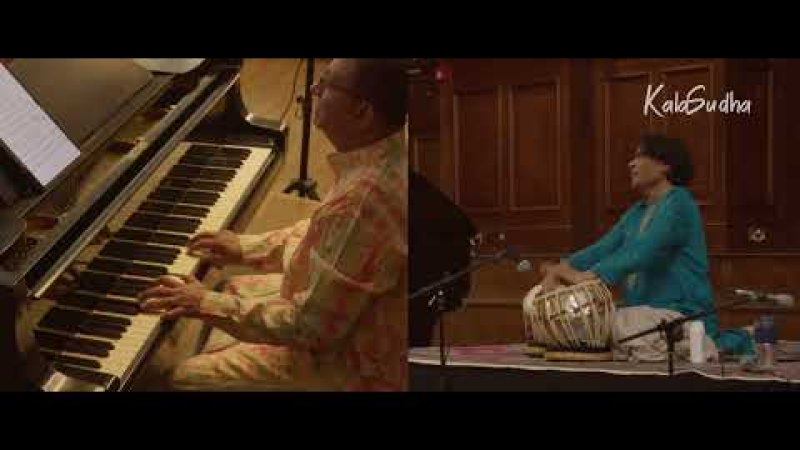
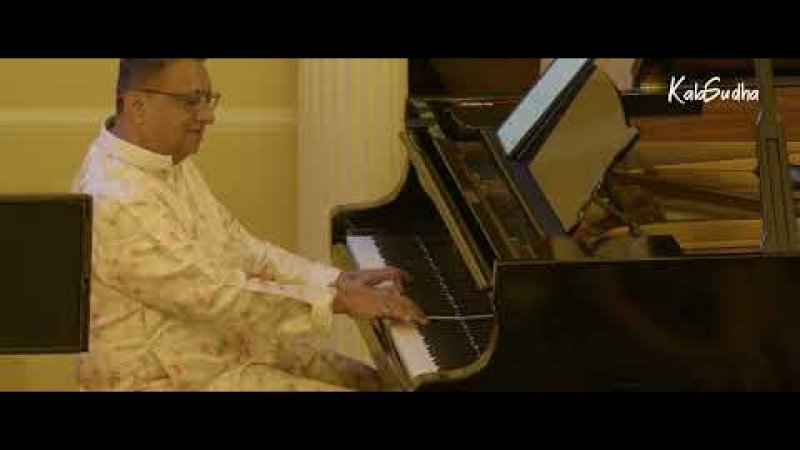
Utsav Lal has become the leading figure in Hindustani piano performance. His debut album Piano Moods of Indian Ragas (2008) established his approach, followed by recordings including "Ragas Dance off Piano Keys," "Ragas Al Pianoforte," and "Indian Classical Music on the Piano" (2018). Performances at Carnegie Hall, Kennedy Center, and major international venues have demonstrated the piano's capacity for serious classical discourse.
Lal's technique involves rapid grace notes and ornamental figures that suggest the oscillations and slides of traditional instruments. His left-hand patterns provide rhythmic foundation while the right hand develops melodic lines. The piano's sustain pedal creates resonance that approximates the sympathetic string shimmer of sitar or sarod.
The Fluid Piano
Innovation extends to instrument design itself. Lal has become the world's leading player of the Fluid Piano, an instrument featuring string-sliding mechanisms that allow access to "spaces between the notes." This novel creation enables microtonal capabilities impossible on standard piano, capturing raga nuances with unprecedented accuracy. The fluid piano represents a technological solution to the fundamental tension between equal temperament and modal music.
Technical Approaches
Raga piano technique differs substantially from both Western classical and jazz approaches. Sustained alap sections require maintaining melodic interest without the continuous pitch variation available to bowed or wind instruments. Practitioners develop phrase shapes that suggest movement through grace notes at phrase beginnings and endings, creating the perception of meend through discrete pitch sequences.
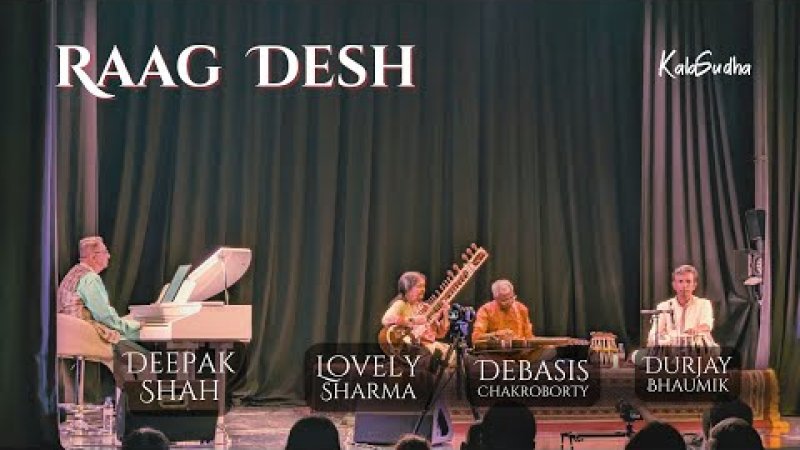
The piano's polyphonic capacity offers possibilities unavailable to traditional melodic instruments. While classical Indian music is primarily monophonic, pianists can add harmonic support that enriches without contradicting modal principles. The left hand may provide drone-like bass patterns while the right develops melody, creating a one-person ensemble effect.
Contemporary Practice
The piano remains a minority voice in Hindustani classical music, with most practitioners coming from backgrounds that include Western classical or jazz training. However, the instrument's global presence and accessibility attract students interested in approaching raga through familiar means. Digital piano technology and the fluid piano continue expanding possibilities, while collaborations with traditional instrumentalists create new ensemble textures.
Part of Hindustani Classical
Historical Timeline
The piano entered Indian musical consciousness through colonial-era exposure but remained primarily associated with Western music. Occasional experiments with raga on piano occurred throughout the 20th century, but systematic development of Hindustani piano technique emerged only recently.
Utsav Lal has become the leading figure, releasing his debut album Piano Moods of Indian Ragas in 2008 and performing at major international venues. His exploration of the Fluid Piano, with its microtonal capabilities, represents continuing innovation. The piano remains a minority voice in classical contexts but attracts students seeking to approach raga through Western instrumental training.
Colonial Introduction
The piano arrives in India through colonial trade and missionary activity. It remains primarily associated with Western music and church contexts.
Early Experiments
Various musicians experiment with playing ragas on piano. These efforts remain isolated rather than establishing a continuous tradition.
Utsav Lal Emerges
Utsav Lal releases Piano Moods of Indian Ragas. Subsequent recordings and performances at Carnegie Hall and other venues establish the raga piano tradition.
Fluid Piano Innovation
Lal becomes the leading player of the Fluid Piano, enabling microtonal capabilities. The raga piano tradition continues developing through recordings and performances.
Playing Techniques
Equal Temperament Challenge
The piano's fixed equal temperament cannot produce the microtonal inflections (shrutis) fundamental to raga. Practitioners develop approaches using grace notes and rapid ornamental figures to suggest pitch movement.
Fluid Piano Technology
The Fluid Piano features string-sliding mechanisms enabling access to "spaces between the notes." This innovation allows microtonal capabilities impossible on standard piano.
Polyphonic Possibilities
The piano's polyphonic capacity allows left-hand drone patterns and harmonic support while the right hand develops melody. This creates a one-person ensemble effect unavailable to traditional melodic instruments.
Journey to Mastery
Follow this structured journey to master this discipline
Piano Fundamentals
Raga Theory
Ornamentation Approaches
Raga Development
Performance Practice
Past Performances
Media Gallery
Audio and video performances
Early Access
Get notified about upcoming events before general public
Exclusive Discounts
Special offers and member-only pricing on premium events
Artist Updates
Behind-the-scenes content and artist interviews
Join Our Newsletter
Get the latest updates delivered to your inbox
Trusted by thousands of music lovers worldwide